57 Pounds: The Grip Strength Threshold Experts Say Signals Declining Muscle Health
Researchers urge clinicians to track muscle quality and power, noting that a low grip strength score is a simple indicator of increased health risks in older adults.
By Aiko Petrov ·
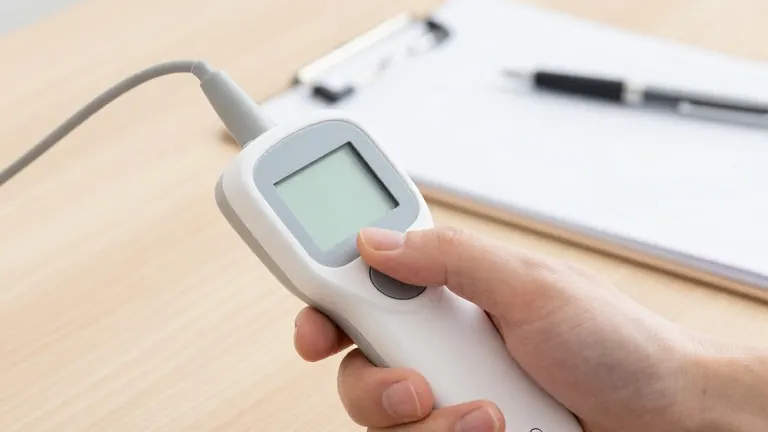
A new review by international kinesiologists and nutrition experts calls for doctors to treat skeletal muscle quality as a vital sign comparable to blood pressure.
Dr. Nicolaas Deutz, a professor of kinesiology at Texas A&M University and co-author of the review, stated that estimating muscle health could be as important as measuring blood pressure. The team argues that muscle health is linked to metabolic regulation, immune function, and overall vitality, rather than just physical size or weight.
Muscle serves as the body's primary storage system for blood sugar, which helps maintain an active metabolism and lower inflammation. However, the relationship between muscle mass and health becomes less clear as people age. Dr. Fatima Cody Stanford, an obesity medicine physician-scientist at Mass General Brigham, noted that women often have lower overall muscle mass than men, yet their muscle health is generally comparable. She emphasized that a complete picture of muscle health includes strength, balance, physical function, activity levels, and the amount of fat stored within the muscle itself.
The urgency of tracking muscle health has increased due to the popularity of GLP-1 medications such as Ozempic and Zepbound. While these drugs improve blood sugar and cardiovascular risk, they are also linked to the loss of lean mass, including skeletal muscle. Stanford said that individuals taking these medications, particularly older adults or those with low baseline muscle mass, require close attention to strength, function, protein intake, and resistance exercise.
To measure muscle power, experts recommend handgrip strength tests. Stephen J. Carter, an associate professor at Indiana University, described muscle power as the ability to produce force quickly, which declines earlier than simple strength. A large analysis of over 20,000 older men and women defined low grip strength as less than 57 pounds for men and 35 pounds for women. Carter noted that muscle power is more relevant to daily life than static strength.
Prevention involves consistent nutrition and activity. U.S. dietary guidelines recommend 1.2 to 1.6 grams of protein per kilogram of body weight to protect against muscle loss. Stanford listed high-quality protein sources such as fish, poultry, eggs, dairy, tofu, beans, lentils, nuts, and seeds. Deutz advised staying active through yard work, walking, or weight training. Carter recommended resistance training two to three times weekly, progressing gradually to higher intensity to build muscle.
Other functional tests can evaluate endurance and mobility. These include the 6-Minute Walk Test for cardiovascular fitness, the Timed Up and Go Test for fall risk, the 30-Second Chair Stand Test for lower-body strength, and the 5-Repetition Sit-to-Stand Test for balance and flexibility. Targeted resistance training can improve grip strength scores, and these functional assessments provide a clearer view of an individual's physical capabilities.