Warhound Secures $200 Million to Breed Canines With Enhanced Senses
The startup, founded by Palmer Luckey, plans to use gene editing to create dogs that detect explosives and protect troops.
By Harper Foster ·
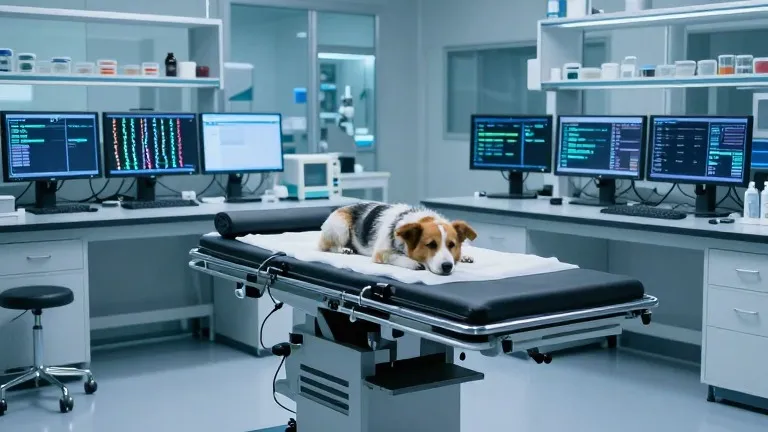
Palmer Luckey’s new venture, Warhound, has raised $200 million to develop genetically engineered dogs for military service. The startup aims to breed canines with enhanced abilities to detect explosives and guard troops, a move that brings synthetic biology into the defense sector.
The funding round included investment from Sequoia. Colossal Biosciences is reportedly assisting with the technical process, providing support for cloning and gene-editing operations. This partnership links the project to the same scientific teams behind other gene-edited animals, signaling a shift toward using established biotech methods for combat applications.
Warhound positions the program as a solution to the physical limitations of current military dogs. By altering the genetic code, the company intends to produce animals that are more resilient and effective in specific tactical roles. The $200 million capital injection provides the resources needed to scale this biological research and move from laboratory concepts to field-ready units.
The initiative sits within a wider trend of defense technology companies applying life sciences to military problems. Investors are betting that biological enhancements can offer advantages that mechanical drones or traditional training cannot match. The involvement of major venture capital firms suggests confidence that the technology can be stabilized and deployed within a competitive timeframe.
The startup operates in a niche where biological engineering meets military procurement. The goal is to create a new class of working animal that serves in high-risk environments. The financial backing indicates that the industry views this as a viable commercial and strategic sector, moving beyond experimental phases into active development.
Source: MIT Technology Review