US Bishops Cite Ongoing Strain on Immigrant Families One Year After Pastoral Call
Leaders at the fall plenary assembly in Baltimore said the 2025 message on deportation and church access remains urgent, despite a Democratic House win.
By Aiko Petrov ·
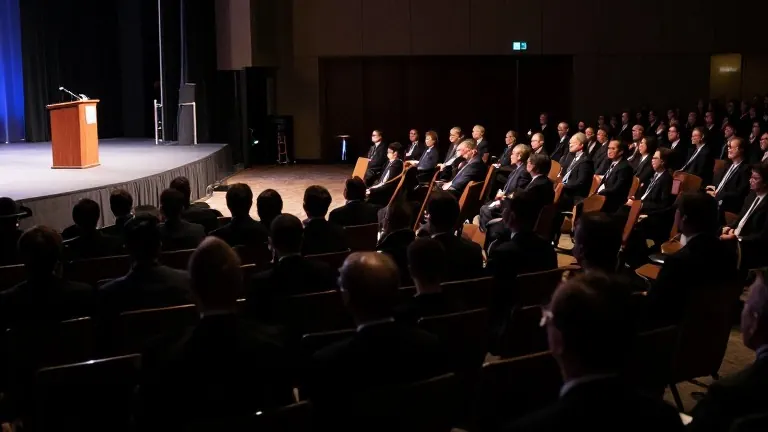
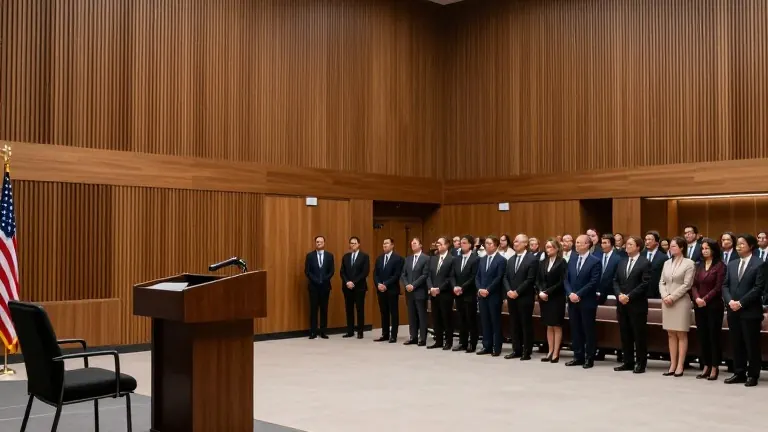
Bishop Brendan J. Cahill of Joliet, Illinois, told Catholic bishops in Baltimore on Wednesday that the core issues raised in a 2025 immigration statement are still affecting families today. He spoke at the fall plenary assembly of the U.S. Conference of Catholic Bishops, noting that the conference’s previous guidance on mass deportation and church protections continues to apply to current conditions.
The conference approved the pastoral message in November 2025, opposing what it called indiscriminate mass deportation. The document criticized administration policies that reduced protection for people in houses of worship and expressed concern about access to sacraments for those held by U.S. Immigration and Customs Enforcement. Although the statement did not name President Donald Trump, it addressed specific enforcement actions taken by his administration.
Bishop Cahill focused on the strain placed on children during his remarks. He described the reduced support for noncitizen children and the shrinking availability of legal services as a scandal. He also emphasized the right of clergy to provide pastoral care in detention centers, noting that the Archdiocese of St. Louis recently sued the federal government over a policy restricting priests from distributing Communion or hearing confessions in ICE facilities.
The assembly occurred weeks after midterm elections in which Democrats secured a projected majority of more than 80 seats in the U.S. House. In the Senate, Democrats will hold 56 seats after Mary Peltola defeated Sen. Dan Sullivan of Alaska. Leaders indicated they would continue advocating for humane and just immigration reform as the new Congress convenes in January.
Archbishop Paul S. Coakley of Oklahoma City, president of the USCCB, said the conference had one area of success with the administration regarding R-1 religious worker visas. He credited a visit to the White House in late January for contributing to that partial win. Bishop Cahill also pointed to a policy that slightly reduced wait times for these visas, which are used by many immigrant religious workers to enter the country.
Vice President JD Vance acknowledged in his June book, Communion: Finding My Way Back to Faith, that the 2025 statement was widely viewed as a critique of administration policies. He described the bishops' message as admirably measured, though he suggested it was perhaps too vague. Bishop Cahill told OSV News that he believes the American public desires better treatment of human beings, which he called a good starting point for future debate.