Trump launches Asia tour with high-stakes trilateral summit in Shenzhen
The US president heads to the Philippines and China for his first overseas trip since the midterms, aiming to reset foreign policy priorities before his term ends.
By Lorenzo Marshall ·
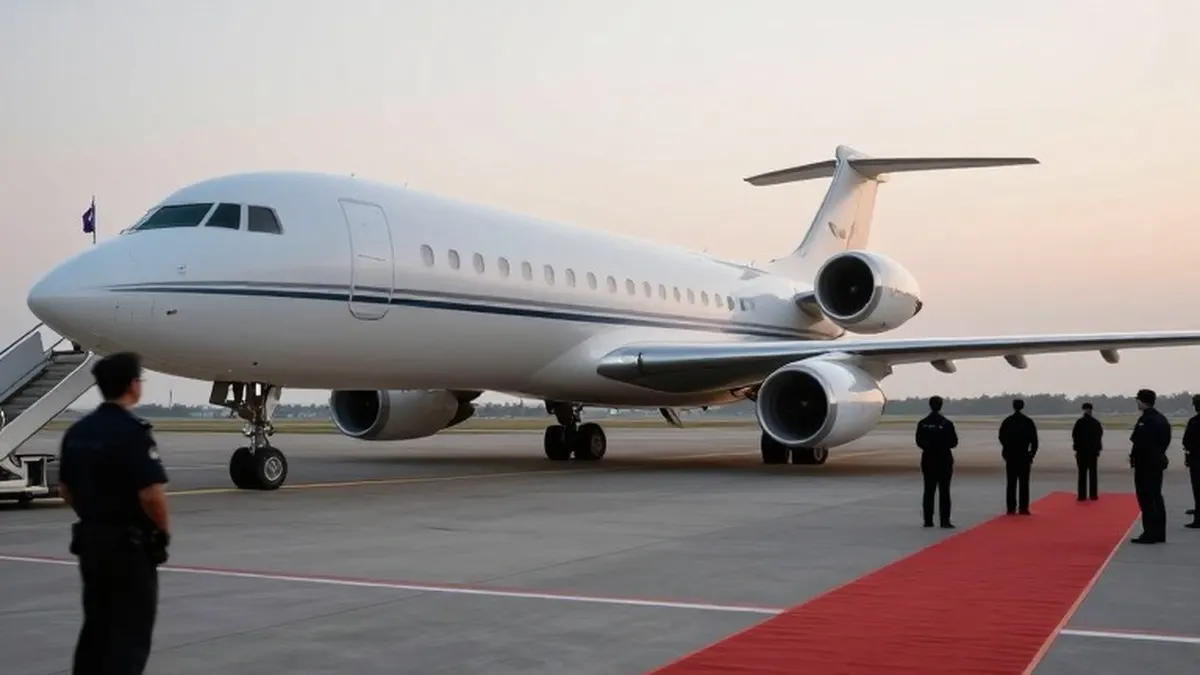
Donald Trump is beginning his first international journey since the Republican Party suffered a significant defeat in the recent US midterm elections. This trip signals a potential shift in focus toward foreign policy for the remaining months of his presidency. The itinerary includes stops in the Philippines and China, where he will engage with key global leaders.
The president is scheduled to arrive in Manila on Tuesday for the Association of Southeast Asian Nations summit. During this visit, he is expected to finalize a trade agreement with Thailand and negotiate additional deals with other regional partners. A major objective is to persuade fellow leaders to prioritize American interests over Chinese ones in the developing field of artificial intelligence.
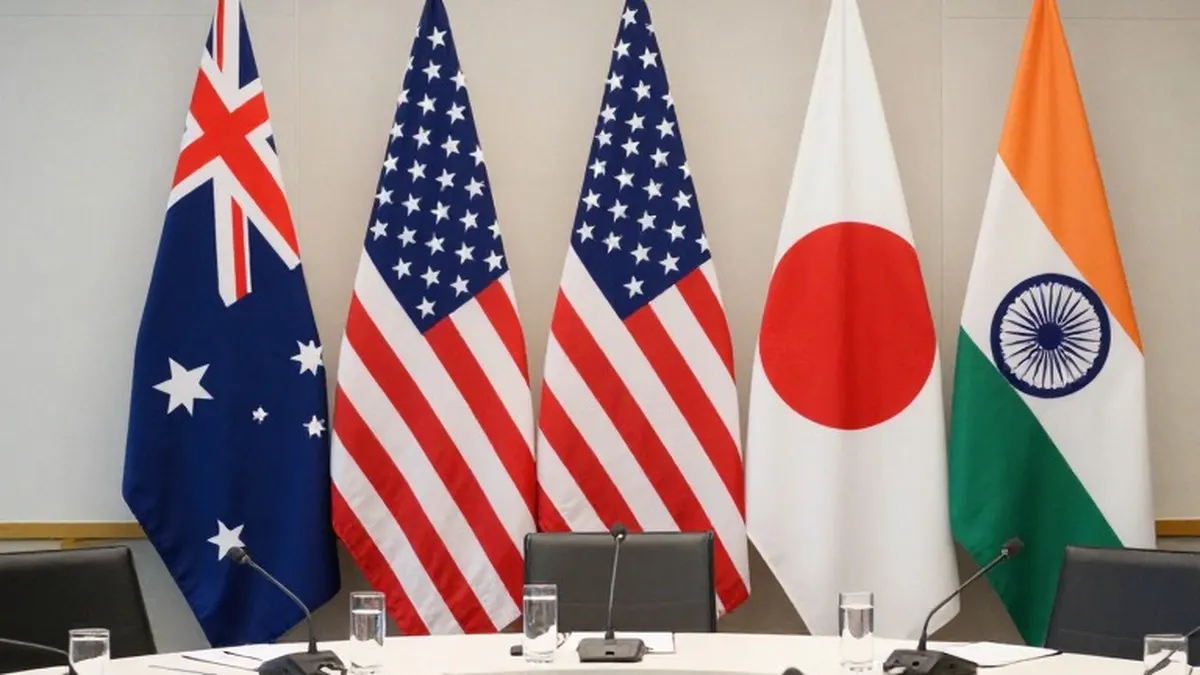
Trump will also participate in the first leaders' meeting of the Quad partnership since returning to the White House in early 2025. The alliance includes the United States, Japan, India, and Australia. Following the Southeast Asian meetings, he will travel to Shenzhen, China, for the Asia-Pacific Economic Cooperation forum. There, he will join Chinese President Xi Jinping and Russian President Vladimir Putin for their inaugural trilateral summit.
Elon Musk, the head of Tesla and SpaceX, will accompany the president to the Apec forum. Musk spent nearly 500 million dollars supporting Republican candidates in the midterms, though the party lost control of Congress. White House officials have not provided a specific explanation for his presence on the trip.
The meetings in China occur against the backdrop of the Nvidia spying scandal. The company's chief executive, Jensen Huang, resigned after it was revealed he had an affair with a woman suspected of being a Chinese spy. While Trump has stated he does not plan to raise the issue with Xi, administration officials confirm the bilateral meeting will focus on implementing a trade agreement between the two superpowers.
The trilateral gathering has drawn comparisons to the 1945 Yalta Conference, leading some analysts to call it a new Big Three summit. Ukraine has expressed alarm, fearing that Putin, who initially proposed the meeting, will leverage it to secure a peace settlement on Moscow's terms. However, Trump has indicated that Ukraine will not be the primary topic. Instead, the focus will be on ending the US conflict with Iran and discussing nuclear denuclearization.
China has shown reluctance to enter into nuclear reduction agreements until it achieves greater parity with the US and Russia, making the denuclearization goal potentially difficult. Many observers believe Putin is the primary beneficiary of the summit, as being treated as an equal by the leaders of more powerful nations boosts his diplomatic standing. Expectations for a substantial agreement remain low.
Lyle Goldstein, a China specialist at Brown University, noted that the meeting is unlikely to produce major substantive results, dismissing fears of a new Yalta moment. He suggested that Trump, whose domestic influence may be curtailed by the new congressional majority, may turn to global affairs to make a final splash. Goldstein observed that the president may seek a dramatic foreign policy flourish in Asia, potentially involving a deal with North Korean leader Kim Jong-un, although Kim is not expected to attend the Apec event.
Jonathan Czin of the Brookings Institution argued that Trump's status as a lame duck leader will deter Xi and Putin from making long-term commitments. Czin stated that both leaders know Trump's leverage is waning as his term expires in 26 months. They may only agree to deals if they believe they can gain more from the current administration than from the next one.
Despite the limited expectations for formal treaties, the trip underscores a renewed effort by the White House to shape the global order before the next presidential transition. With the Russia-Ukraine war unresolved and tensions with Iran lingering, the Asia tour represents a critical opportunity for the US to assert its diplomatic position in the region.