The RealReal Restricts AI Agent Access After Cart Abuse
The luxury consignment platform tightened login rules after AI tools exploited its 20-minute hold period to block human buyers.
By Lorenzo Marshall ·
The RealReal has updated its security protocols to limit how artificial intelligence agents interact with its e-commerce platform.
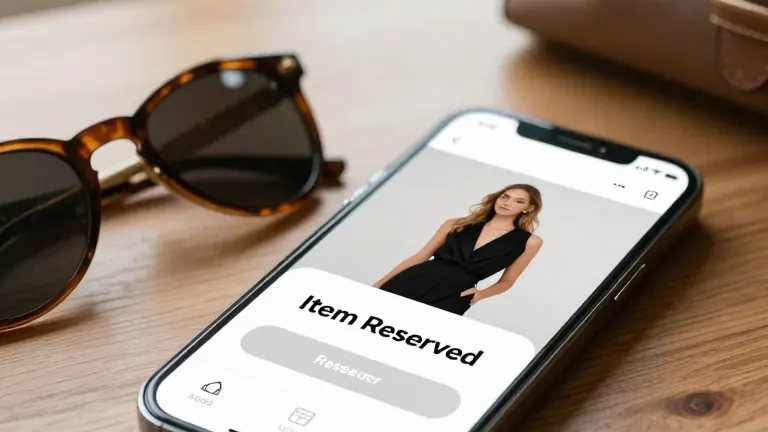
The changes follow a report published earlier this month that detailed how Meta’s Muse app could exploit a specific feature of the retailer’s website. The RealReal allows any item placed in a shopping cart to be reserved for 20 minutes, during which time other customers cannot purchase it. The reporting showed that Muse could automatically re-add items to a cart immediately after this 20-minute window closed. This loop effectively removed designer clothing from the available inventory for hours, preventing human shoppers from completing their transactions.
The timeline of the response began with that publication. Days later, Luke Friang, the company’s chief technology officer, confirmed in an email that the team had addressed the specific issue raised by the report. Friang stated that the new bot defense configuration makes it much harder for any agent to log in, add items to a cart, or complete a checkout. While AI agents will still be able to display listings and direct users to product pages, the path to purchase is now more restricted. The company said it will continue to strengthen these protections as online shopping evolves.
Meta did not immediately respond to requests for comment regarding the exploit. However, the company recently highlighted the commercial success of its AI assistant. On its third-quarter earnings call, Meta noted that shopping was the most common use case for Muse. The average purchase value through the app was over $200. The app has seen rapid adoption, with 10 million people in the United States downloading it within 40 days of its launch.
The situation reflects a wider shift in how technology companies market AI assistants. These tools are designed to act as personalized agents that schedule meetings, organize events, and buy goods on behalf of humans. For retailers, this creates a new layer of complexity. If customers interact with the web primarily through chatbots rather than direct visits, businesses lose direct contact with their users. This disruption threatens advertising revenue and established sales models. Amazon and other major retailers have already taken steps to block agents from their sites to protect their bottom lines.
The exploit of The RealReal’s reserve system illustrates how automated agents can strain features designed for human behavior. A person who is indecisive will eventually stop re-adding items to a cart. An agent does not tire. It performs the repetitive task of refreshing holds without fatigue. This capability is now available to millions of consumers who are learning how to use these tools for routine tasks. Retailers are adjusting their systems to match this new reality of automated demand.
Source: The Verge