Stephen Miller Takes Over White House as Congress Races to Fund Government
With funding expiring in December, the final 119th Congress faces a tight window to pass a stopgap budget while Republicans prepare to cede power to Democrats.
By Harper Foster ·
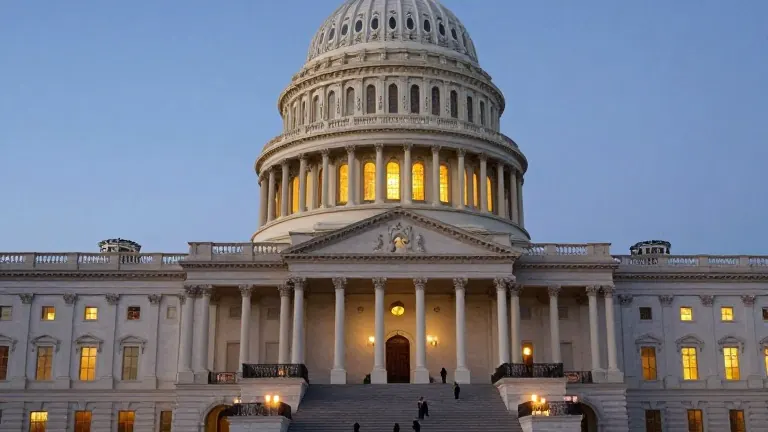
President Donald Trump has named Stephen Miller as his new chief of staff, replacing Susie Wiles. This is the first major personnel change in the White House since Republicans lost control of Congress in the midterm elections. Miller previously served as deputy chief of staff and played a central role in drafting the administration's immigration policies. Voter data suggests that opposition to these enforcement measures contributed to the Democratic gains.
NPR analyst Mara Liasson noted that Miller favors unchecked executive power. His appointment positions the president to confront a Congress where the opposing party holds a majority. In a related development, Trump posted on social media that he offered the White House Press Secretary role to Dana White, the CEO of the Ultimate Fighting Championship. The president later clarified the comment was a joke, though Liasson pointed out that the public often treats his statements as serious.
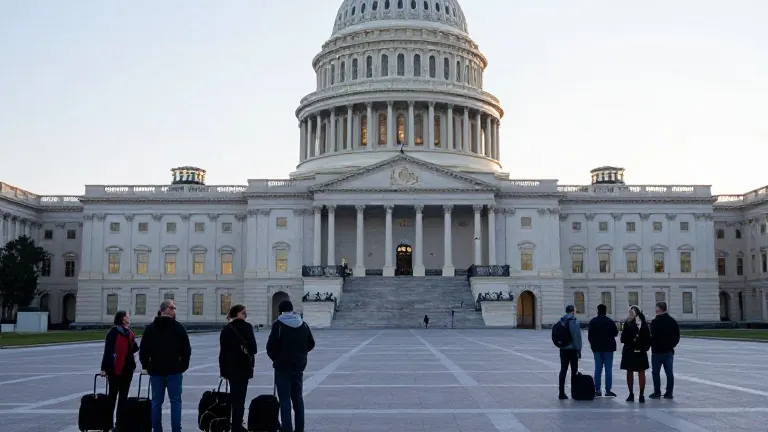
The 119th Congress is entering its final weeks. Lawmakers must keep the federal government funded before new Democrat-controlled chambers take office. Current funding runs out on Dec. 11. Negotiating the standard 12 appropriations bills is no longer feasible due to time constraints and political divisions. A short-term continuing resolution remains the likely path to extend funding.
Republicans hold a two-vote majority in the House. This slim margin makes attendance a critical issue for members who lost their seats. NPR contributor Eric McDaniel warned that any absences could disrupt Republican plans to end their tenure on their own terms. In the Senate, Republicans aim to confirm as many judges and other Trump appointees as possible before January.
McDaniel stated that Democrats will likely require substantial compromises from the White House to confirm these nominees after they assume control. The legislative agenda for the remainder of the session is dominated by the need to pass a budget stopgap measure to prevent a government shutdown.
Outside of Washington, Nvidia has launched an internal investigation into the personal life of its CEO, Jensen Huang. Reports indicate Huang had a close relationship with a woman accused of being a Chinese spy. The New York Times reported that a Chinese intelligence operation targeted Huang to facilitate the transfer of advanced AI chips to China.
China denied the allegations in a Monday press briefing. NPR reached out to the Chinese Embassy in Washington, D.C., for comment but did not receive a response. Huang has frequent access to Trump and traveled to China with him. When asked about the situation, Trump said he thinks Huang is a fine person. The U.S. currently restricts exports of Nvidia's best chips to China.
Huang has argued that allowing China to purchase these chips would slow its domestic chipmaking industry and benefit the U.S. economy. Despite the ongoing investigations, Nvidia stated that national security and corporate secrets remain uncompromised. The House of Representatives has requested a closed-door briefing from Huang regarding his interactions with the suspected intelligence asset.