STAR 50 Plunges 40% as Investors Demand Proof of AI Profit
The index has shed over 40% from its July peak, with CATL down 37% year to date amid a sharp contraction in margins.
By Lorenzo Marshall ·
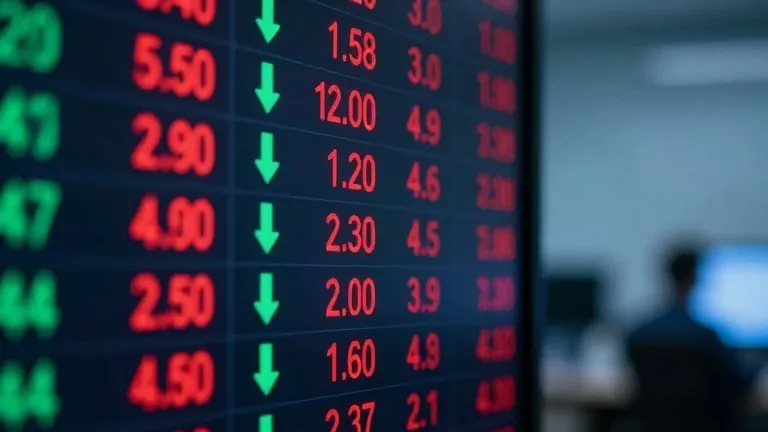
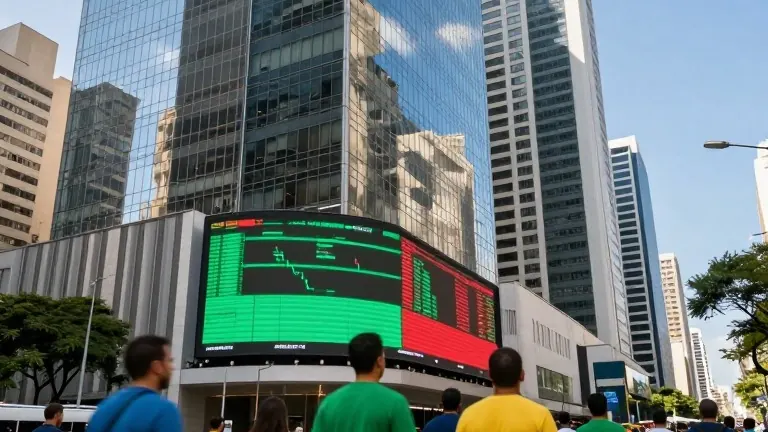
Shanghai's tech sector just lost 40% of its value.
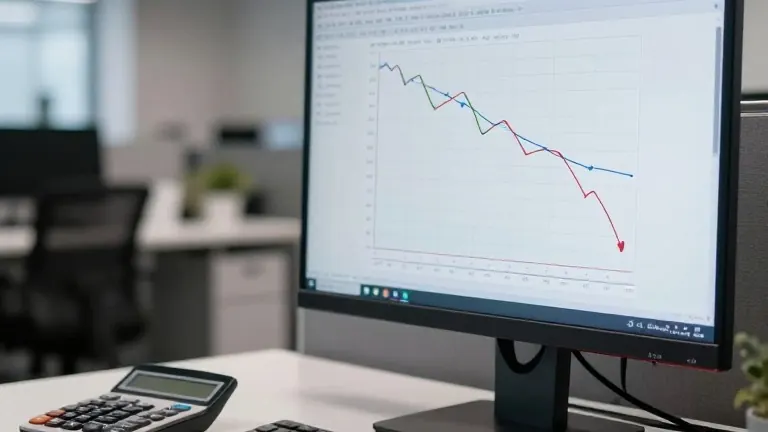
The STAR 50 Index has dropped more than 40% from its July peak. This decline marks a sharp break from the optimism that drove the sector higher earlier this year.
The index tracks 50 of the largest and most liquid companies on Shanghai's STAR Market. These firms operate in semiconductors, artificial intelligence, and other high-tech fields. Battery manufacturer CATL, a flagship name on the list, has lost 37% of its value since the start of 2026.
Benjamin Cavender, a partner at China Market Research Group, describes the shift in sentiment. He notes that the initial selling was driven by profit-taking and valuation corrections. "I think the sell-off primarily started as a valuation correction and some profit taking, but now there is a critical look happening at whether earnings can justify the AI excitement," Cavender said.
The rally had gained momentum after DeepSeek appeared in early 2025. Investors hoped domestic AI firms could rival their U.S. peers. That hope has faded as heavy spending on AI infrastructure has not yet produced proportional earnings.
Tai Hui, Asia-Pacific chief market strategist at JPMorgan Asset Management, says investors now demand tangible results. He observes that several recent AI initial public offerings saw strong early demand before interest cooled. "Investors want to see how the big tech groups convert that spending into earnings," Hui said.
The pressure extends beyond pure tech plays. China's ongoing property downturn has weakened household confidence. Weak consumer spending hits the advertising and e-commerce divisions of major internet platforms. Vey-Sern Ling, senior equity advisor at Union Bancaire Privée, warns that rising AI investment could squeeze near-term profits while long-term revenue models remain unclear. "Chinese tech stock valuations have reached multi-year lows, which should limit downside, though upside catalysts remain elusive," Ling said.
CATL shows how the margin squeeze works in practice. The company posted roughly 59% revenue growth in the third quarter. Net profit, however, rose only about 15%. Competition, changing product mixes, and shifts in taxes and rebates are eroding profits despite CATL's global market position. Cavender points to this disconnect. "CATL's problem is the gap between growth and profitability," he said. Ling adds that lower unit profitability may continue to drag down near-term results.
Not all segments of the market are struggling equally. Brendan Ahern, chief investment officer at KraneShares, notes that semiconductor makers on the STAR Board are benefiting from spending by major U.S. and Chinese tech firms. In contrast, Hong Kong-listed stocks face more headwinds from sluggish domestic consumption due to their heavier exposure to consumer-facing platforms.
Hui identifies the property downturn as a fundamental barrier to recovery. Households are holding more cash rather than investing in equities. He sees limited downside for broader Chinese benchmarks due to low valuations and light positioning by international investors. Jason Hsu, chairman of Rayliant Global Advisors, suggests a recovery in U.S. tech stocks could lift Chinese peers. Cavender cautions that lower prices alone will not trigger a rally. A durable rebound requires stabilizing earnings, clear returns on AI spending, and stronger domestic demand.
Source: CNBC
More Business · National news · Watch Your Wallet · Report a business · Got a Story?