Haredi leader warns of persecution as UTJ advances talks with Eisenkot bloc
Rabbi Dov Lando said the ultra-Orthodox community is under attack as United Torah Judaism weighs cooperation with the bloc seeking to replace Prime Minister Benjamin Netanyahu, with military conscription at the center of the discussions.
By Harper Foster ·
A leading authority in Israel's haredi community warned on Sunday that ultra-Orthodox Jews are facing persecution, as negotiations between the haredi parties and the political bloc seeking to replace Prime Minister Benjamin Netanyahu moved forward, with military conscription emerging as a central issue.
Speaking at the Kaminetz Yeshiva, Rabbi Dov Lando described what he called growing pressure on the haredi community and threats to the Torah world. "We are now in a difficult situation. We are being persecuted. Those who violate the covenant are persecuting us. They are not allowing us to study Torah. They want to impose all kinds of harsh decrees," he said.
Lando also voiced hope that the pressure would ease. "May God help us so that all the decrees and everything our accusers are doing against us will vanish like a dream, disappear like a fading cloud, like a passing wind. None of it will succeed," he said, concluding with the wish that "all the decrees will soon be canceled."
The rabbi did not directly address the political negotiations, and his comments do not show whether he supports the talks. Still, their timing has attracted attention as the haredi parties explore agreements that could settle the status of yeshiva students under a new conscription law.
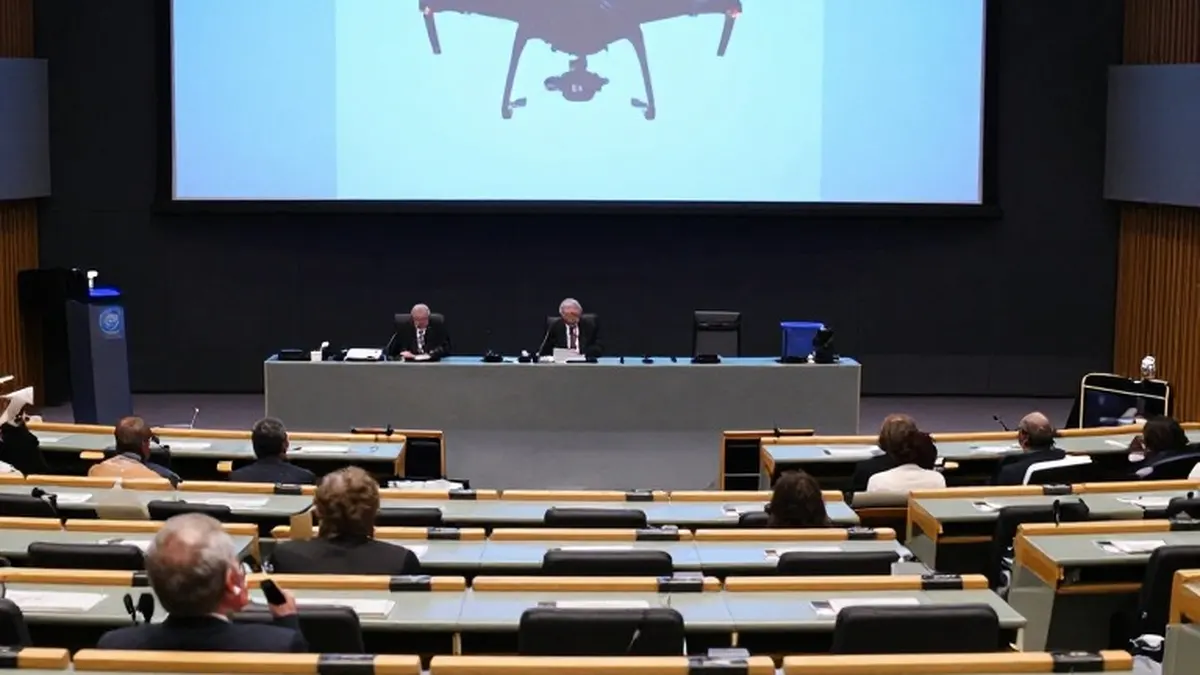
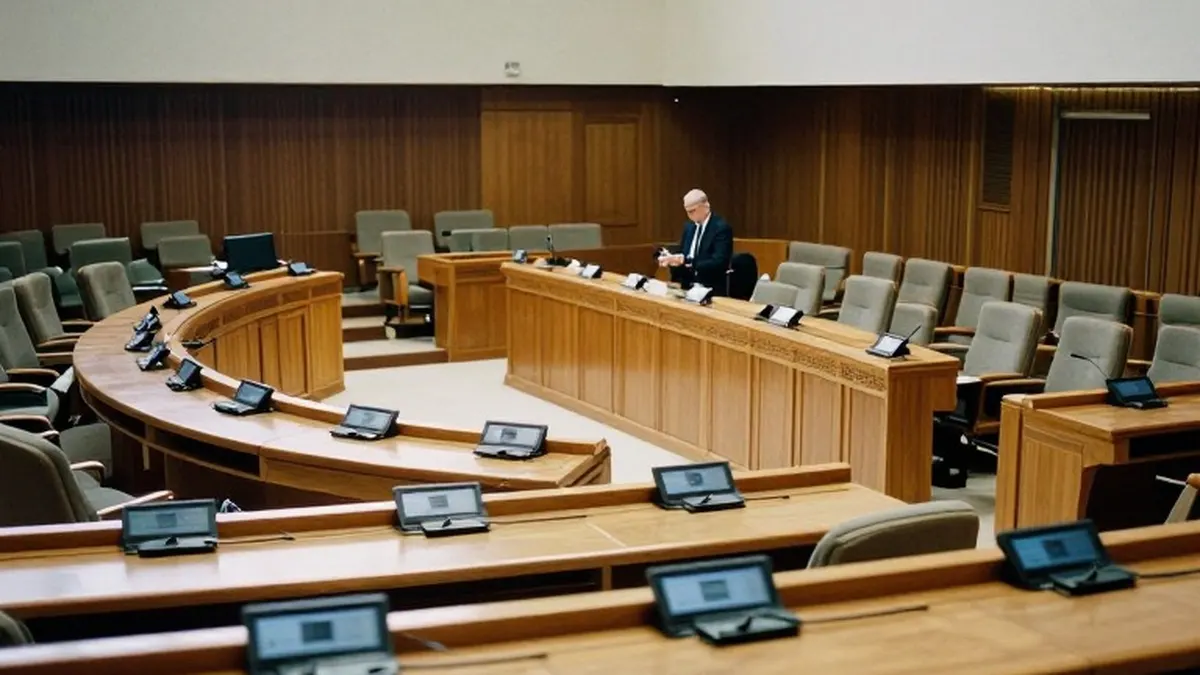
The remarks came as the haredi parties weighed a proposal from MK Avigdor Liberman, the incoming chairman of the Knesset Foreign Affairs and Defense Committee, who laid out his approach to conscription legislation during a committee meeting on Monday morning. Liberman said any bill would need to pass three tests: approval from the IDF chief of staff, the High Court of Justice, and Rabbi Lando.
"First and foremost, we must focus on those who serve, regular soldiers, reservists, and career military personnel," Liberman said. "We will introduce a fair conscription law that will pass through three stages: the IDF chief of staff, the High Court of Justice, and Rabbi Lando. That is the formula." During the meeting he also announced plans to summon the IDF chief of staff, the Mossad director, the Shin Bet director, and the Israel Police commissioner to appear before the committee, citing what he called gaps between the police and Shin Bet and saying he intended to examine foreign interference, including concerning the Prime Minister's Office and attempts to influence Israeli elections.
Meanwhile, sources in United Torah Judaism, one of Israel's two major haredi political factions, said contacts with the bloc led by Yashar chairman Gadi Eisenkot have gone beyond preliminary discussions. The party is seriously considering cooperating with the bloc, either by joining a future government or by providing parliamentary support from outside the coalition.
"There is a genuine intention to examine the possibility of cooperating with the change bloc, including joining the government or supporting it from outside. That will be decided later. Our main conditions are well known: resolving the conscription issue and the status of Torah scholars, independent education, and preserving the status quo on matters of religion and state," party sources said. UTJ has decided to establish a formal coalition negotiating team to lead discussions with representatives of Eisenkot's bloc, and sources said that if progress is made, party representatives may visit Rabbi Lando at his residence to brief him and seek his approval before proceeding.
Despite its openness to joining or backing a government led by Eisenkot's bloc, UTJ stressed it would not bend on its core demands. "We will not show flexibility on these issues," the sources said. "Just as Ra'am has red lines and refuses to compromise on certain issues while being willing to support a government, so do we. We believe that the change bloc will be willing to give up liberal legislation on matters of religion and state because that is the only way they will be able to fulfill their central promise to voters: replacing Netanyahu and the right-wing government."