Putin vows retaliation after Ukraine strikes oil refineries despite Trump's plea
The Russian leader stated that Kyiv is ignoring a direct request from the US president to halt attacks on energy facilities, promising that Moscow will respond appropriately.
By Lorenzo Marshall ·
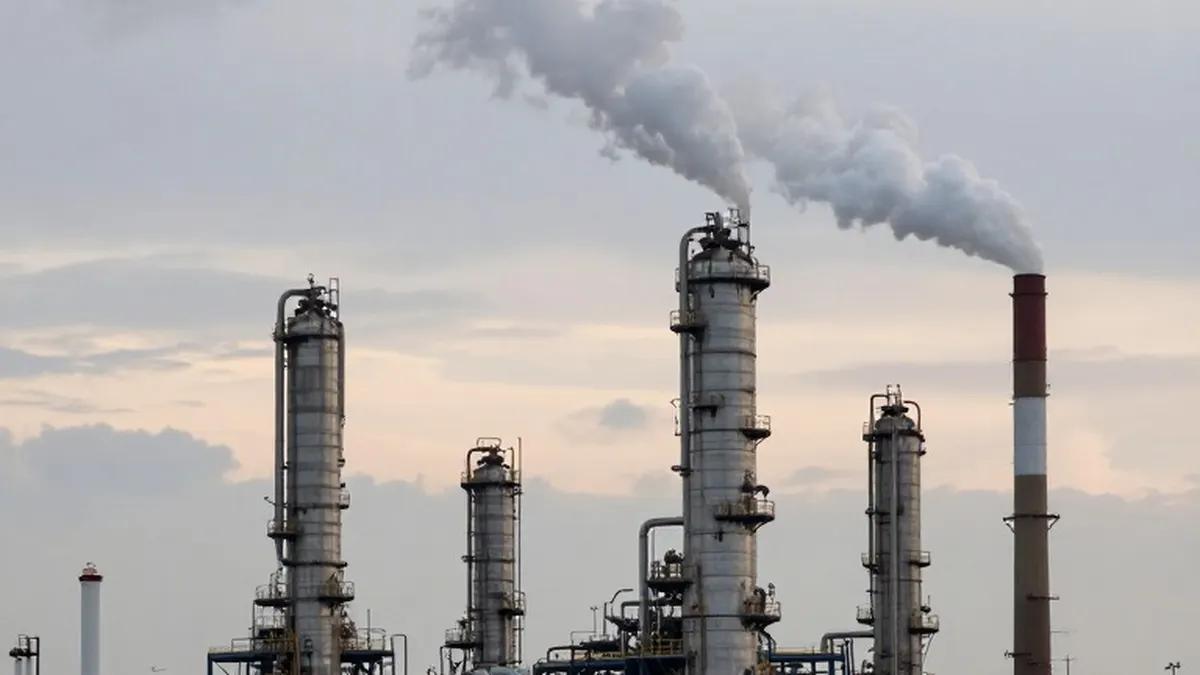
Russian President Vladimir Putin has expressed frustration over continued Ukrainian attacks on Russian oil refineries. He stated that these strikes are occurring despite a specific request from US President Donald Trump for Kyiv to hold back.
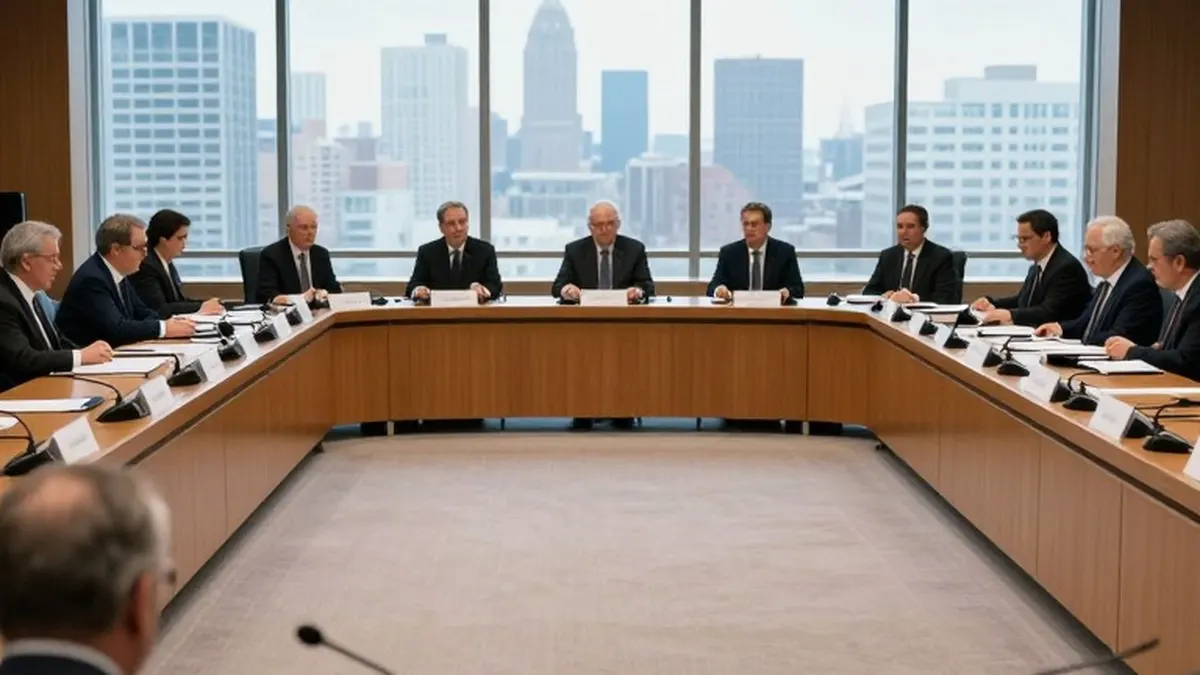
According to reports from the Russian news agency Interfax, Putin addressed the issue during a meeting of the Commission on the Development Strategy of the Fuel and Energy Sector held on Tuesday. He noted that the current situation feels as though nothing has changed regarding the frequency and nature of the attacks.
Putin quoted as saying, "We see that the Kyiv regime is continuing its attacks on our refining facilities. By the way, despite the US president's appeal and direct request not to do this and to refrain from these attacks, the Kyiv authorities are not heeding such advice." This comment highlights the diplomatic friction between Moscow and Kyiv over the scope of military operations.
The Kremlin leader emphasized that a response from Russia is now unavoidable. He remarked, "In this regard, I would like to note that appropriate action on our part is inevitable. Everyone should be aware of this." The statement serves as a clear warning to Ukraine that Moscow intends to retaliate for the perceived disregard of the US president's intervention.
During the same address, Putin attempted to minimize the impact of the Ukrainian campaign. He argued that the escalation, which he said began in early June and was intended to last for 40 days, is not capable of causing critical damage to Russia's energy sector. He suggested that the adversary's efforts have been contained and have not achieved their primary strategic goals.
This latest exchange adds to the ongoing diplomatic negotiations and military standoffs between the two nations. The role of the United States in mediating these conflicts has become a central point of discussion, with both sides referencing Trump's involvement to bolster their respective positions.
Earlier in September, Trump stated that he had personally asked Ukrainian President Volodymyr Zelenskyy to reduce the intensity of strikes on Russian oil infrastructure. At that time, Trump claimed that Zelenskyy had agreed to the proposal, setting the stage for the current complaints regarding the continuation of the attacks.
Following that initial discussion, Zelenskyy provided further clarification in early October. The Ukrainian president indicated that Kyiv was prepared to cease strikes on Russian oil refineries, but only under specific conditions. He stated that this pause would be contingent upon Russian forces halting their attacks on Ukraine's own energy infrastructure.
The interplay between these diplomatic statements and military actions continues to shape the trajectory of the conflict. As both leaders make public statements regarding their willingness to engage in limited truces or pauses, the underlying military operations remain a focal point of international attention.
The recent remarks by Putin underscore the high stakes involved in the energy sector and the broader geopolitical dynamics at play. With both nations citing diplomatic agreements and military necessities, the path toward a sustained resolution remains complex and heavily influenced by direct communications between their respective leaders.