NHL Tracks 5,000 Goalie Movements Per Game
Hawk-Eye data reveals the hidden physical toll of modern goaltending, prompting new injury prevention strategies.
By Aiko Petrov ·
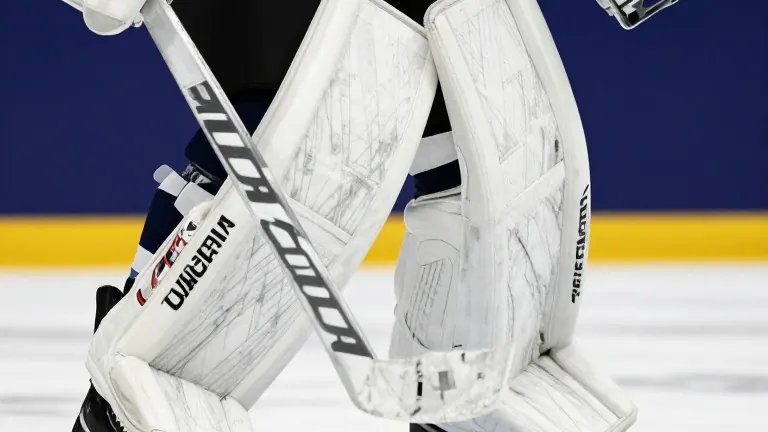
NHL teams are using Hawk-Eye tracking to measure the exact number of movements goaltenders make in a single game.
Dallas Stars goaltender Jake Oettinger estimates he performs up to 5,000 movements in one night. This count includes pre-game warmups and media timeouts. The league’s technical operations team says the current system tracks 29 identifiable points on each player. These points include the stick and puck. The system currently captures up-downs and lateral movements.
The definition of a movement varies among players. Casey DeSmith considers any body shift a movement. Jeremy Swayman defines it as a full-body action. Brandon Bussi notes the difficulty in calculating these figures due to small actions like glides. Regardless of the definition, the cumulative effect is substantial. Modern goaltenders are physically larger and face a faster game. This shift has increased strain on hips, knees, and ankles.
The new collective bargaining agreement introduced emergency backup goalies. These backups allow teams to reduce ice time for primary goalies during practices. Jeff Reese, the Stars' goalie coach, said this flexibility prevents fatigue-related bad habits. It helps goalies maintain proper technique rather than standing still when tired. Poor puck tracking can result from this fatigue.
Carolina Hurricanes goalie coach Paul Schonfelder emphasized that workload depends on puck movement in the defensive zone. He noted that shot count alone does not reflect the physical activity required. The Hurricanes lead the league in shot share, but their goalies still endure significant physical effort. This perspective supports the use of detailed movement data to assess fatigue.
John Frantzeskakis, the NHL's senior vice president for technical operations, stated the league is moving beyond identifying where plays happen. The focus is now on understanding how they unfold. The league is working to track finer details such as eye direction and foot placement. This granular data provides a complete picture of physical demands. Teams plan to use this information to improve scouting and player development.
New Jersey Devils prospect Mikhail Yegorov is tracking his own metrics on a personal website. He advocates for focusing on lower body and skating movements. These areas are most prone to strain. His work reflects a growing interest among players in monitoring physical output. This data helps teams make informed decisions about rest and usage to extend careers.
More Sports · National news · Report a business · Got a Story?