Mud and volunteers mark Cornville recovery
Yavapai County officials are pushing for a federal disaster declaration while residents rely on a network of over 3,000 local helpers to clear debris and manage daily needs.
By Aiko Petrov ·
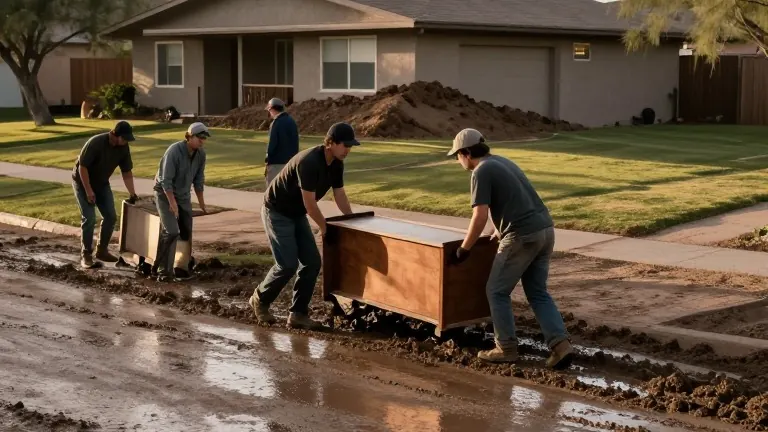
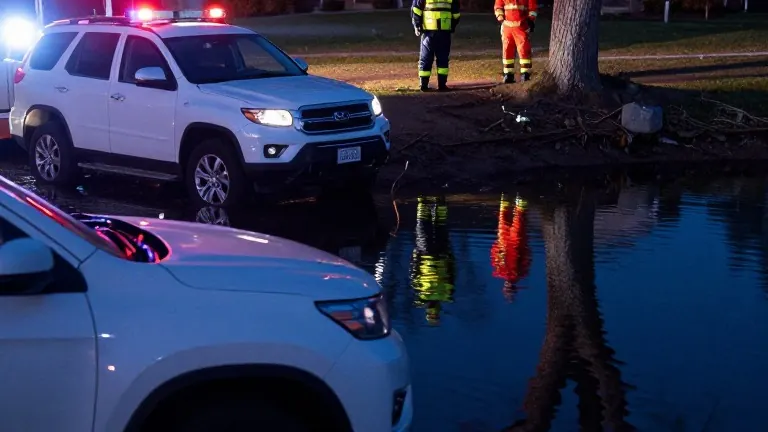
Residents of Cornville are rebuilding their homes weeks after floodwaters reached depths of up to 9 feet. The recovery effort is currently driven by community volunteers rather than state or federal agencies, a shift that many locals say is necessary to bridge the gap in official aid. Hundreds of homes were damaged by the event, leaving some families sleeping on thick mud inside their residences because they had no other shelter.
On East Stony Drive, volunteer crews assisted Jim Jean in extracting his home from a sinkhole. Jean stood over a pallet of mud-covered belongings, sorting through items while workers cleared the area. He stated that his primary worry is securing a place for his family to live. Jean thanked the people present, noting that their physical presence made a tangible difference in his recovery process.
Mira Bai Fairlight, who coordinated the volunteer effort through a Facebook group, reported that more than 3,000 people have joined the response. She described the group chat as a cooperative hub that evolved into a supportive community. Fairlight criticized government agencies for a lack of direct engagement. She urged officials to communicate more clearly and to actively participate in the cleanup process alongside residents.
Yavapai County leaders met with residents on Friday night to outline the next steps for recovery. Officials acknowledged the role of first responders who rescued people from high water. The Yavapai County Sheriff’s Office confirmed that one person died during the flooding. A man attempting to cross water in the Castle Hot Springs area was swept away, and his body was located four days later in Lake Pleasant.
County officials disclosed that local emergency funding was depleted on the first day of the flood. The county is now waiting on the state to request a federal disaster declaration. This declaration would unlock funding from the Federal Emergency Management Agency. Ashley Alquist, the upper county emergency manager, announced the creation of a long-term recovery group. This body will include nonprofits, faith organizations, businesses, and government agencies.
Alquist explained that the group will provide case management, home repairs, and business rebuilding support for households that do not receive full coverage from insurance. The team will also coordinate donated funds and volunteer labor. Officials said they are currently streamlining the process for cleanup requests and continuing to report damage figures to the state.
Nicholas Rhine, founder of the Disaster Relief Development Coalition, arrived in the area the day after hearing Fairlight’s call for help. His organization provides training and resources for disaster relief volunteers. Rhine’s team has assisted residents like Jean in sorting through debris. Jean noted that finding his belongings was a relief during the search.
Fairlight said that while government resources exist, bureaucratic processes often delay assistance. In the interim, the volunteer network has filled the void. She stated that the collective effort revealed a strong sense of connection among neighbors. The recovery work continues as residents and volunteers clear remaining mud and debris from the affected neighborhoods.