Midterm Elections: Polls Point to GOP Losses Amid Trust Deficit
Historical trends and current polling suggest Republicans will lose the House majority, while questions about the integrity of the vote cast a long shadow over Tuesday's results.
By Aiko Petrov ·
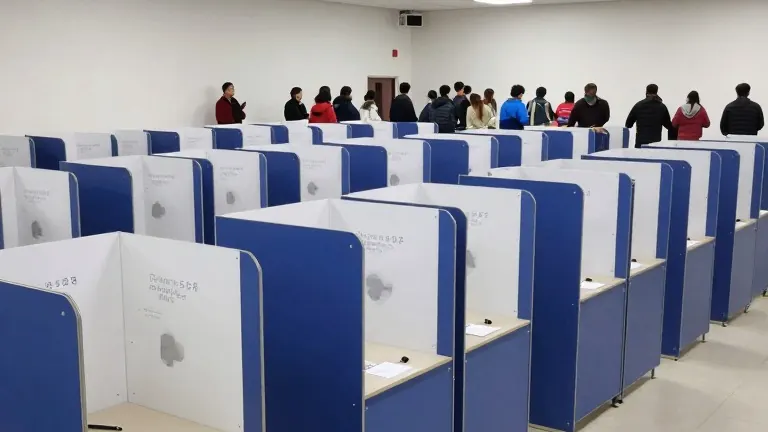
Americans have long viewed the midterm elections as a referendum on the sitting president, but Tuesday’s vote carries an added layer of scrutiny regarding the integrity of the process itself. The upcoming elections will test not only the political direction of the nation but also the public's confidence in the mechanics of voting.
Polling data indicates that the electoral pendulum is swinging back against the White House incumbent, a pattern that has held true in nearly every midterm over the last century. Most observers, including those seeking objective measurements, now predict that President Trump’s party will lose its slim majority in the House. The Senate race remains too close to call, with the possibility that Republicans could retain the majority through Vice President Vance’s tie-breaking vote.
The anticipated losses extend beyond blue states. Polls point to significant defeats for Republicans in swing states and even in red states that Trump won by double-digit margins in his previous campaigns. This outlook prompted the president to spend the final weekend of the campaign on a ground game in Iowa and Kansas. These states are historically solid for Republicans, with Kansas not electing a Democrat to the Senate since 1932. Trump’s team focused on limiting damage, scheduling live visits in these two states while conducting remote rallies in 19 others.
The pressure on Trump stems from his highly personalized approach to governance. Unlike his first term, where he operated within conventional executive limits, he has since cast himself as the architect of a new era and the avenger of perceived wrongs. He has made the election about himself, urging his base to treat the midterms as if he were on the ballot. This strategy has resonated with his loyal supporters, but the broader electorate remains skeptical.
Critics have seized on unfulfilled campaign promises, particularly regarding the economy. While Trump pledged to lower costs and tame inflation, the public sees gas prices leading a sustained surge in everyday expenses. His approval ratings have dropped from an average of 52% in early 2025 to 37% currently. This figure falls below the 40% threshold that has historically signaled brutal midterm results for the president’s party.
Democrats may face challenges even if they reclaim power. A potential House victory would likely be a modest majority by historical standards. A narrow Senate win would empower independent members who often buck party leadership. The party also faces internal divisions, particularly between consensus builders and left-wing firebrands. This year’s Democratic class of nominees includes candidates associated with the Democratic Socialists of America, a group that has become a focal point in Republican campaign messaging.
Political demographer Ruy Teixeira, who has studied the Democratic relationship with white working-class voters, published 11 questions for the party in October. His final question asked whether Democrats would embrace positions that resonate with working-class interests rather than focusing primarily on race, gender, and social policy. The party has united around issues such as grocery prices and opposition to vast data centers for the AI industry, but maintaining that unity in power remains uncertain.
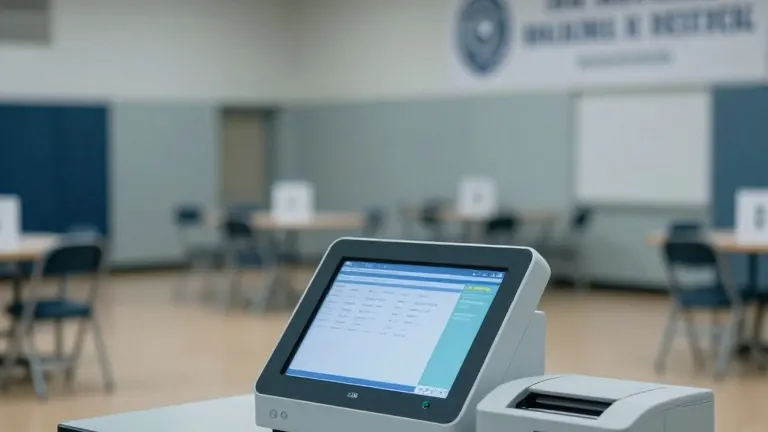
The conduct of the elections themselves has become a point of contention. Nonpartisan experts generally defend the current state of American voting processes, noting that legislation and funding have upgraded administration since the Help America Vote Act of 2002. That act replaced punch-card ballots with touch-screen technology and paper trails. However, Trump has repeatedly called the process into question without providing evidence, a stance he has held since his 2016 nomination.
The president has previously urged supporters to ignore
fake news
and
fake polls.
Source: WUFT