Iran Vows to Counter U.S. Blockade as Regional Conflicts Intensify
Iran vows to counter U.S. naval blockades while regional conflicts in Yemen and Lebanon intensify and diplomatic talks continue.
By Harper Foster ·
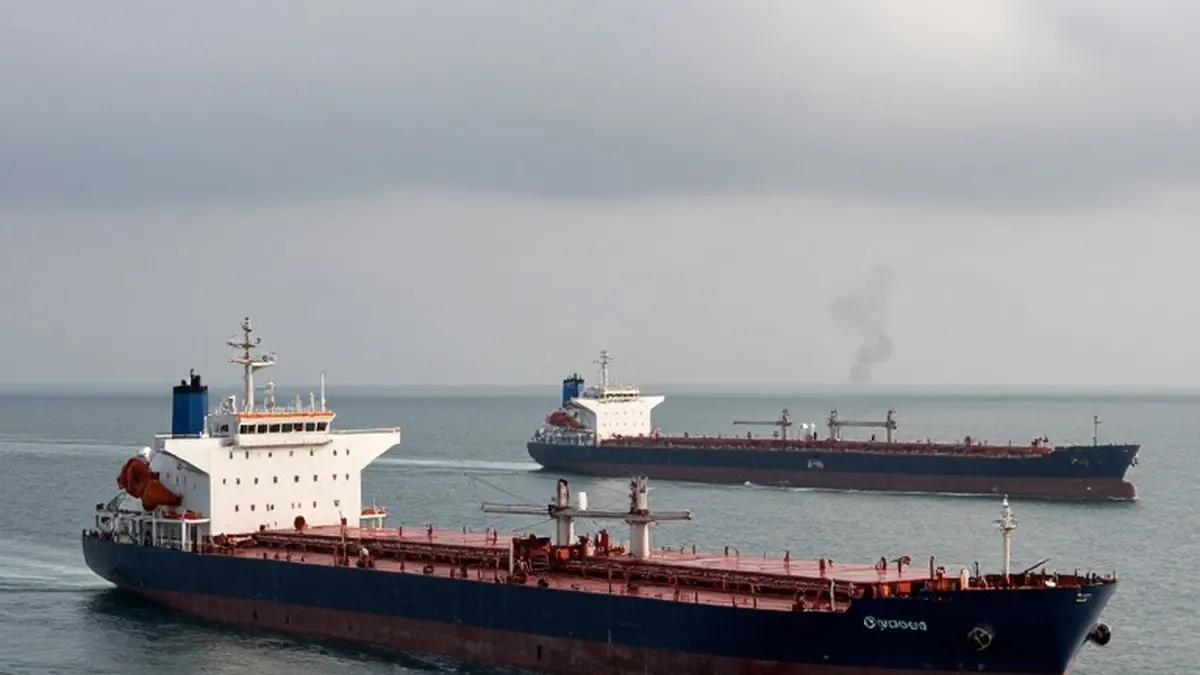
Iran declared on Monday that it would utilize all available means to counter a U.S. naval blockade imposed in response to Tehran's efforts to restrict the Strait of Hormuz. Foreign Ministry spokesman Esmaeil Baqaei characterized the American actions as an act of military aggression. He stated that under Article 51 of the U.N. Charter, Iran is entitled to defend itself with any means at its disposal. The spokesman added that the U.S. described the measures as economic and naval blockades, but Tehran views them as a direct military threat.
The Strait of Hormuz has become a central focus of the conflict since the war began. Iran has continued its push to blockade the waterway, which is vital for global energy supplies. In retaliation, the United States imposed a counterblockade on Iranian ports, introduced new economic sanctions, and launched a task force to disrupt land routes into the country. Iranian officials indicated that the strait could open within two days, but only if Washington agrees to a list of demands, including the lifting of the blockade.
President Donald Trump addressed the escalating situation in a social media post on Sunday. He acknowledged that Iran had launched more drones and missiles in the previous week than at any other time in over a year. However, he assured the public that the attacks had done no damage because all projectiles were knocked down. The president linked this escalation to the November 3 midterm elections, claiming that the Democratic victory led to more aggressive actions from the Islamic Republic.
Trump stated that he predicted the stock markets would drop and Iran would grow more aggressive if the Democrats won. He noted that oil prices have dropped to a record level since the election, which he attributed to his administration's efforts. The president described the election as strange, suggesting that voters did not fully understand the implications of their choice for the oil market and the war.
In Yemen, fighting between the Saudi-led coalition and Iran-backed Houthi rebels continues to intensify. Houthi media reported that a Saudi strike on the port city of Hodeida killed four people and wounded 18. The attack targeted a building belonging to Yemen's Public Telecommunications Corporation. This incident followed a report that the coalition had intercepted a ballistic missile aimed at the kingdom's western Red Sea coast, a region home to major oil installations.
The Houthis also reported an airstrike on the capital, Sanaa, early Sunday. A health ministry spokesperson said the strike hit a state-run fuel station, wounding six workers and damaging the company's building. Other locations, including the Red Sea port of Mokha and the Haifan district, came under fire. According to the latest U.N. data, hostilities in Yemen have killed more than 1,600 people and displaced over 300,000 since the truce unraveled in July.
Diplomatic efforts remain ongoing despite the military tensions. Iranian Deputy Foreign Minister Kazem Gharibabadi confirmed that a Qatari delegation visited Tehran for two hours of talks on Saturday. Foreign Minister Abbas Araghchi emphasized that ongoing talks must be given a chance, but he maintained that the U.S. blockade must be lifted rationally. Iran's conditions for peace include ending the war on all fronts, unfreezing assets, and lifting oil sanctions.
President Trump expressed his desire to reach a permanent deal with the Iranian regime to prevent it from acquiring a nuclear weapon. In an interview with Fox News, he stated that he is working to ensure the deal remains intact even if a future president is incompetent. The president noted that Iranian officials have been difficult to negotiate with, often breaking agreements the day after they are made. He also mentioned that he has previously removed two regimes, though he did not specify which ones.
The conflict has also sparked environmental and cultural reactions. British endurance swimmer Lewis Pugh, a United Nations Patron of the Oceans, completed a 9.3 mile swim across parts of the Strait of Hormuz. He aimed to highlight the threat the war poses to the region's wildlife. Pugh reported hearing loud explosions shortly after entering the water. Meanwhile, in Lebanon, officials denounced an Israeli military spokesperson's visit to a school in the occupied south, which they described as a propaganda display during Independence Day.
More News · National news · Report a business · Got a Story?