World Court Verdict in Myanmar Genocide Case Could Reverberate in Israel's Gaza Proceedings
A forthcoming International Court of Justice ruling on whether Myanmar committed genocide against the Rohingya is expected to shape South Africa's genocide case against Israel over the war in Gaza.
By Lorenzo Marshall ·
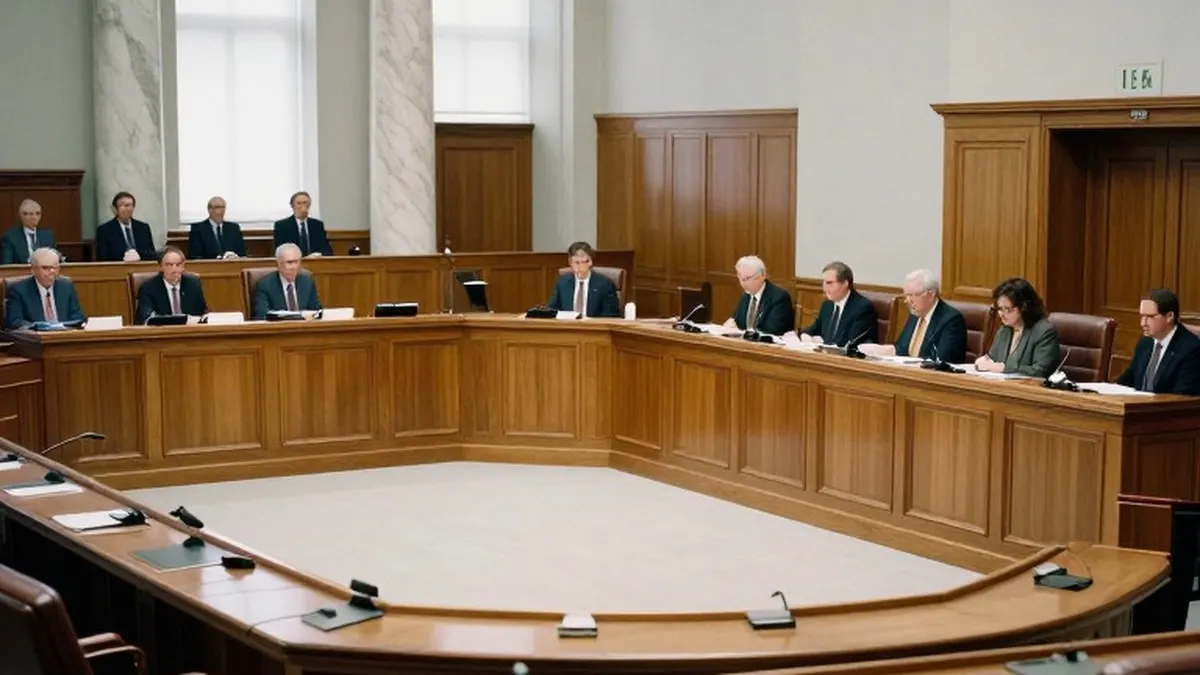
The International Court of Justice is expected to hand down a ruling later this week in the landmark case accusing Myanmar of committing genocide against its Rohingya minority, a decision widely expected to reverberate far beyond Southeast Asia.
While the court, often referred to as the World Court, has previously determined that atrocities constituted genocide, it has never formally found a country guilty of committing the crime itself.
"The ICJ ruling will be historic for Rohingya survivors and their families around the world," The Guardian quoted Yanghee Lee, a former UN rights investigator to Myanmar, as saying. "The international community failed to prevent Myanmar military atrocities against the Rohingya nine years ago. It must seize this opportunity to finally secure justice for the Rohingya and begin to reckon with these failings."
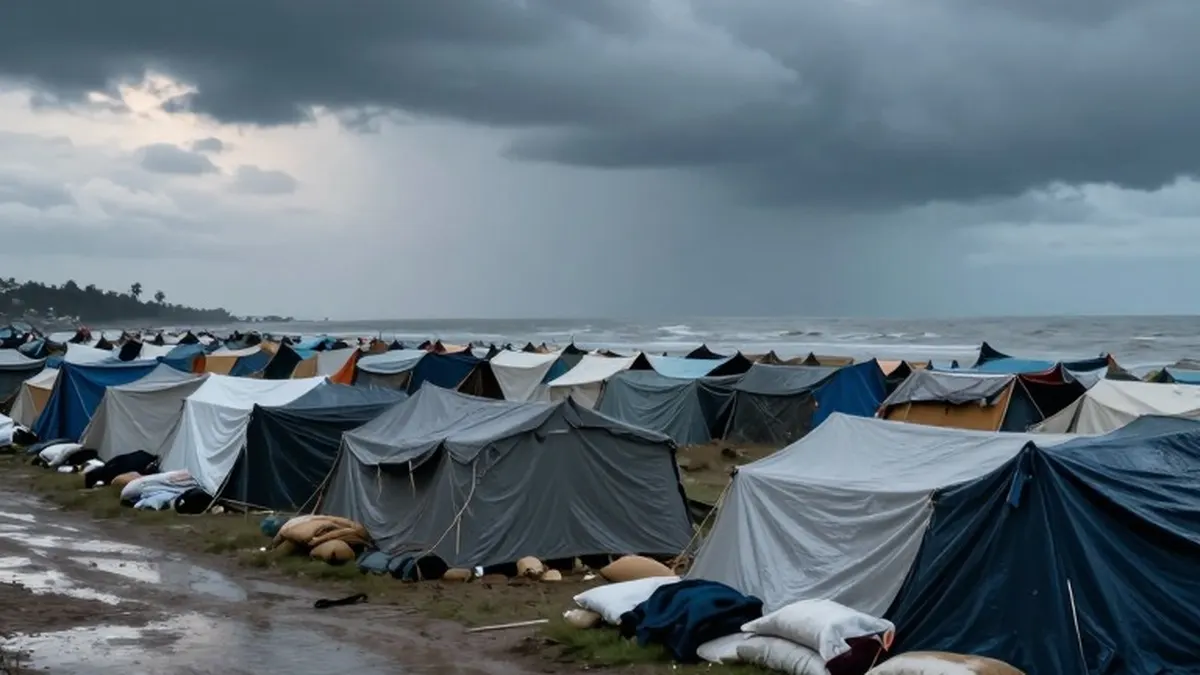
Gambia, a predominantly Muslim country in West Africa, brought the case in 2019, accusing Myanmar of carrying out genocide against the Rohingya, a mainly Muslim minority concentrated in the country's remote western Rakhine state. Myanmar's armed forces launched an offensive in 2017 that drove at least 730,000 Rohingya from their homes and across the border into neighboring Bangladesh, where survivors recounted killings, mass rape, and arson.
The proceedings have also drawn pointed criticism from Washington. In an October post on X, formerly Twitter, US Ambassador to the United Nations Mike Waltz warned against allowing the court to "lower the legal threshold for proving genocide so that a weakened and false standard can later be weaponized against American and allied soldiers whenever they raise a finger against terrorists that hide behind civilians."
The verdict is expected to carry consequences well beyond Myanmar, most notably for South Africa's genocide case against Israel over the war in Gaza. It was Gambia's decision to bring the genocide charge against Myanmar that established the precedent South Africa later followed in taking Israel to the same court.
South Africa first filed its case in December 2023, alleging violations of the Genocide Convention in connection with the Gaza war. Israel firmly rejected the accusation, calling it "baseless."
Before Gambia's filing, the court had rarely dealt with questions of genocide. In 2007, judges ruled that Serbia had failed to prevent the 1995 genocide at Srebrenica in Bosnia and Herzegovina, though they stopped short of holding any single country directly responsible for the crime. In 2022, days after Russia's invasion, Ukraine brought its own case to the court contesting accusations that it was committing genocide in Luhansk and Donetsk.
While the ICJ has never delivered a genocide conviction, other international legal institutions have. The Hague hosted war crimes tribunals for Rwanda and the former Yugoslavia, and the International Criminal Court holds jurisdiction over genocide cases. The ICJ, by contrast, can hear a case only when both countries involved have consented to its authority, as nations do under the Genocide Convention. Russia, Myanmar, and Israel are all parties to that convention.