International Court of Justice Rules Myanmar Committed Genocide Against Rohingya
The ICJ determined that Myanmar violated its international obligations by committing genocide against the Rohingya in Rakhine state, citing evidence of intent to destroy a substantial part of the population.
By Lorenzo Marshall ·
The International Court of Justice announced on Thursday that Myanmar breached multiple obligations under international treaties designed to prevent and avoid genocide. In a significant ruling, the court concluded that the country had committed genocide against the Rohingya people in Rakhine state. This decision marks a pivotal moment in the long-standing legal dispute over the treatment of the minority group.
Judge Yuji Iwasawa, the president of the ICJ, delivered the verdict on behalf of a panel of 15 judges. The decision was reached by a majority vote of nine to six. Iwasawa stated that the court examined all available evidence and determined that the only reasonable explanation for Myanmar's actions was an intention to destroy a substantial part of the Rohingya population in northern Rakhine State.
The court also found Myanmar guilty of several specific violations through majority rulings. Iwasawa emphasized that the 2017 clearance operations inflicted serious bodily and mental harm on a significant number of the protected group. He noted that security forces killed thousands of civilians, perpetrated acts of sexual violence, and inflicted extreme violence on children. The court further observed that forces attacked Rohingya individuals as they attempted to flee the fighting.
The legal case originated from a complaint filed by The Gambia in 2019. The petition alleged that Myanmar engaged in a deliberate campaign of arson, rape, and murder aimed at wiping out the Rohingya minority in whole or in part. The conflict intensified in August 2017 following a coordinated attack by a Muslim militia against police and military installations in Rakhine state, which triggered a severe military crackdown.
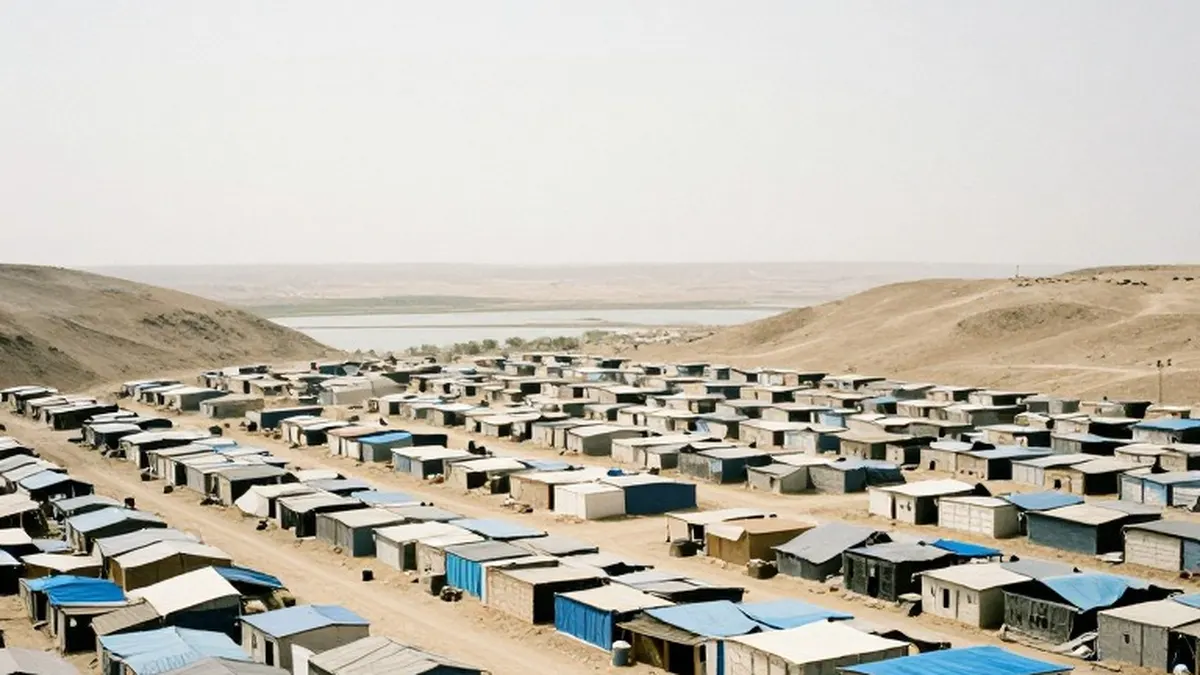
A United Nations fact-finding mission previously estimated that approximately 10,000 people likely died during the military operations. Around 700,000 Rohingya fled to Bangladesh, where the majority still reside in the world's largest refugee camp. The violence in the region had been building for years prior to the 2017 escalation, creating a prolonged crisis for the community.
Myanmar's military, which currently holds de facto control of the country amid a civil war, had argued that its actions were part of a legitimate counterinsurgency effort. Aung San Suu Kyi, the civilian leader at the time, took a nuanced stance but traveled to The Hague to contest the charges, describing them as incomplete and incorrect. The military has maintained that the Rohingya qualified as a distinct ethnic group with their own language and culture, a point the court accepted.
The ICJ determined that the Rohingya met the criteria for a protected group under international law against genocide. Iwasawa highlighted that while some civilian participation in the atrocities was not necessarily state-ordered, the government and security forces failed to make meaningful efforts to prevent violence by non-Rohingya civilians. In some instances, the court found that authorities fanned the flames of ethnic and religious tension.
The judge also criticized Myanmar's failure to genuinely investigate the alleged atrocities. Iwasawa noted the government's refusal to facilitate access to evidence and witnesses or provide requested information. He acknowledged that this lack of cooperation meant the court might not have had reliable knowledge of information available only within Myanmar. This procedural gap remains a point of concern for the completeness of the findings.
As part of the ruling, the court advised Myanmar to make efforts to pay reparations to victims or their associates where possible and appropriate. Iwasawa called for the country to facilitate the safe return of refugees and to take measures to investigate and prosecute individual wrongdoing by its nationals and security forces. The ruling provides a framework for future accountability and restorative justice measures.
The decision is expected to have significant implications for the ongoing civil war in Myanmar and the future of the Rohingya community. While the ICJ's ruling is legally binding, enforcement mechanisms remain a complex issue in international law. Observers will watch closely to see how Myanmar responds to the recommendations for reparations and the safe return of displaced persons.