Luka Doncic's Historic Usage Rate Drives Lakers' Elite Offense
Luka Doncic is averaging a career-high scoring rate and posting one of the highest usage rates in NBA history, raising questions about the Lakers' reliance on a single star.
By Harper Foster ·
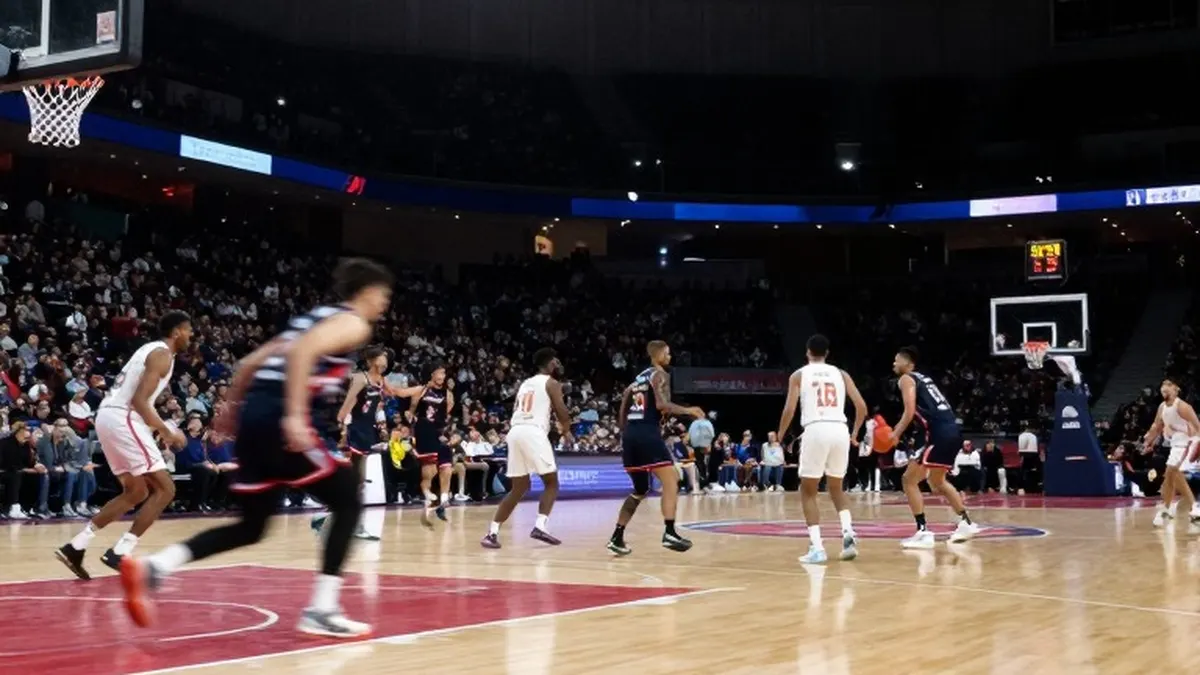
Los Angeles Lakers guard Luka Doncic is currently leading the league in scoring conversation with a 38.1 points per game average, a pace that would surpass Michael Jordan for the highest scoring average since the 1976 NBA ABA merger. Beyond his scoring, the Slovenian star is posting a historic usage rate, a metric that measures the percentage of his team's possessions he ends with a shot, free throw, or turnover. This heavy offensive load places him among the most burdened players in league history.
The Lakers are tied for the best record in the league at 13 and 3, largely driven by Doncic's dominance. He has already recorded seven 40 point performances and two 50 point games. When Doncic is on the court, the team boasts a plus 15.3 net rating. However, this extraordinary reliance on one player has reignited debate about the risks of ball dominance, including the vulnerability to injury and the potential for diminishing returns.
Doncic's 40.4 usage rate is the third highest since tracking began in 1967, trailing only Russell Westbrook and James Harden. While this is a career high for the guard, it is an extension of his preferred play style. His previous seasons with the Dallas Mavericks and last year with the Lakers also featured usage rates in the top ten all time. Despite this, historical data suggests that while 41 players have posted a usage rate above 35.0, none won a championship that year, a group that includes Hall of Famers like Jordan, Kobe Bryant, and Dwyane Wade.
Lakers head coach JJ Redick noted that Doncic's efficiency comes from his three point shooting and ability to draw fouls. Redick stated that shooting 12 or 13 attempts a game at 40 percent from three allows for high volume scoring. The coach emphasized that he prefers looking at true usage, or time on the ball, where Doncic ranks fourth in the league with 9.4 minutes per game. Redick argued that Doncic has bought into playing off the ball and that his presence generates assists, making his raw usage rate less of a concern.
Comparisons to Westbrook's 2016 17 season and Harden's 2018 19 campaign offer mixed signals. Westbrook led the league in scoring but his team's offense ranked 15th, and they lost in the first round. Harden's Rockets had the second best offense but fell to the Golden State Warriors in the second round. In both cases, the teams struggled with offensive balance and interpersonal dynamics. A recent cautionary tale for Doncic is his own career, where his deepest playoff run came in a season with a lower usage rate than his current one.
The Lakers possess structural advantages that previous high usage teams lacked. Austin Reaves serves as a proven secondary scorer and playmaker, averaging 24.7 points and 4.7 assists, and the two appear to be natural stylistic counterparts without interpersonal tension. Unlike the slow pace of Harden's Rockets, the Lakers play at a middle of the pack pace, allowing for a more free flowing attack with transition opportunities. This approach keeps the entire team involved, which is crucial when one player controls so much of the action.
A recent loss to the Utah Jazz highlighted the potential downsides, as the Lakers were held under 100 points for the second time this season when Doncic was inefficient and Reaves was sidelined. Redick admitted that the shot creation required from Doncic takes a toll. Nevertheless, the team's hopes remain high, as they have a proven secondary option and a more balanced offensive structure than the cautionary tales of the past. Doncic's passing ability and willingness to share the ball provide a strong foundation for the Lakers to defy the historical challenges of high usage stars.
More News · National news · Report a business · Got a Story?