Forensic analysis challenges suicide ruling in Epstein death case
A forensic expert argues that new evidence suggests Jeffery Epstein was strangled rather than hanging himself in his 2019 prison cell.
By Lorenzo Marshall ·

Professor Michael Freeman has presented findings that cast doubt on the official determination of Jeffery Epstein's death. The forensic expert told BBC Newsnight that he believes the convicted sex offender was a victim of homicide, specifically strangulation, rather than suicide. Freeman stated that his conclusions are based on a review of the New York City medical examiner's file from the 2019 incident.
The original autopsy, conducted by Dr. Barbara Sampson, the then-chief medical examiner, concluded that Epstein's injuries were consistent with suicide by hanging. Sampson maintained that there was no evidence of defensive wounds, which are typically expected in cases of homicide. She has previously stated that she stands firmly behind the cause and manner of death determined at the time. The BBC has reached out to her for further comment regarding the new analysis.
Freeman, who did not personally examine the body, based his independent research on documents and photographs from the examiner's report. He obtained these files from Epstein's brother, Mark Epstein, who has long maintained that his brother was murdered. Freeman emphasized that he was not paid by Mark Epstein and that his analysis remains independent. He noted that he would have expected a photograph to be taken of the body before it was lowered from the bunk bed, a standard procedure in custody deaths that was not followed according to his review.
The expert identified specific signs of assault in the available evidence. These include a deep hemorrhage on Epstein's left shoulder and injuries to the face that appear consistent with being struck. Freeman argued that the evidence is most consistent with strangulation using a ligature. He suggested that the same ligature was likely used to suspend the body from the bunk bed after the act. He pointed to fingernail marks above the ligature mark on the neck, which he said align with a struggle where the victim attempted to remove the ligature, particularly if the attack came from behind.
Freeman summarized his position by stating that the injuries and the position in which the body was found do not match the profile of a suicide. He concluded that the only remaining explanation is that the death resulted from a homicide. While he did not speculate on who might have been responsible, he noted that identifying the perpetrator is not part of his specific investigation. He said he had no idea who the killer might be, describing it as outside the scope of his forensic work.
Epstein was found dead in his cell at the Metropolitan Correctional Center in New York on August 10, 2019. At the time, he was awaiting trial on sex trafficking charges. A Department of Justice investigation into his time in prison revealed that a guard found him and immediately called for a colleague to help lower his body to the floor. Attempts to resuscitate him were unsuccessful. The report also noted that Epstein had been placed on suicide watch briefly just one month before his death.
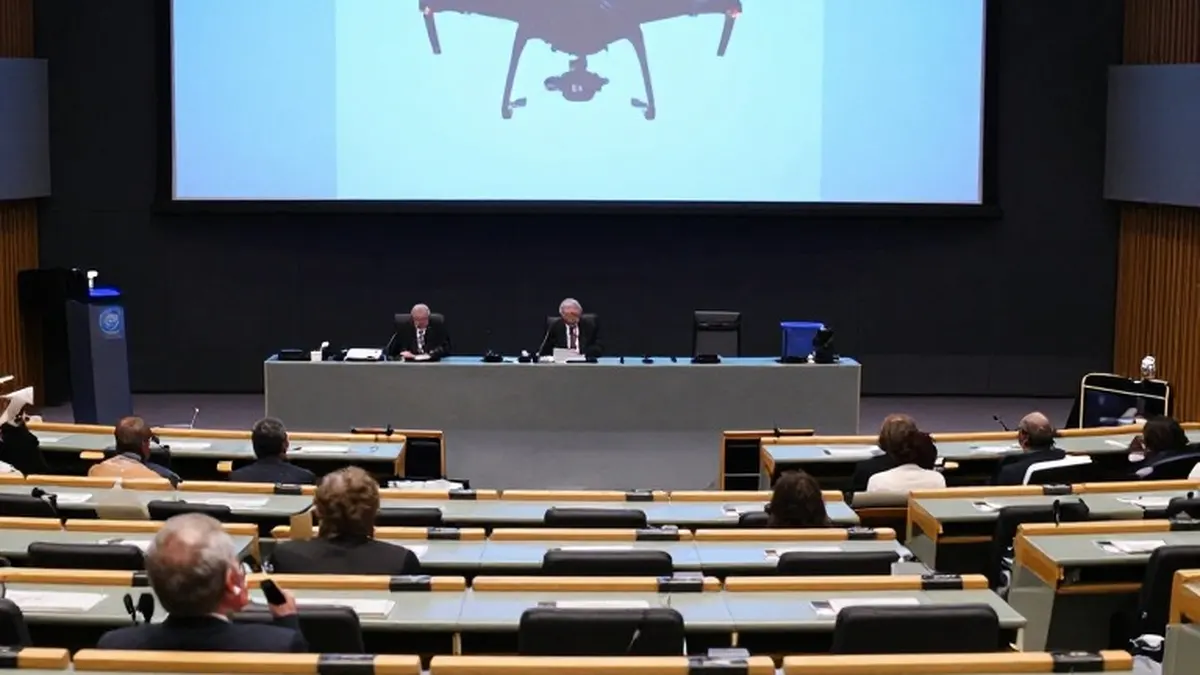
The original medical examiner told the Department of Justice Office of the Inspector General that the injuries were more indicative of hanging than strangulation. This assessment was a key part of the initial ruling. Freeman’s new perspective offers a contrasting view, suggesting that the lack of defensive wounds and the specific nature of the neck injuries support a homicide theory. His presentation of these findings took place at University College London on Monday evening, where he also published his research alongside the medical examiner's files.
Epstein's legal history dates back to 2008, when he was convicted of soliciting prostitution from a minor. He avoided a heavy prison sentence due to a plea deal, which required him to register as a sex offender. Eleven years later, he faced new charges for running a network involving underage girls. His death while awaiting this second trial sparked widespread debate and scrutiny of the prison system, a controversy that continues with the release of this new forensic analysis.
The article contains distressing details and references to suicide. The findings from Professor Freeman add a new layer to an already complex case, challenging the narrative established by the medical examiner's office in 2019. As the debate continues, the forensic details provided by Freeman offer a potential alternative explanation for how one of the most high-profile figures in recent legal history died in custody.
Freeman has significant experience as a cause-of-death expert, having served in that capacity for attorneys-general in the United States. His involvement in high-profile cases, including the death of George Floyd in Minnesota, lends weight to his current analysis. The release of his findings comes as public interest in the Epstein case remains high, with new information continuing to emerge years after his initial conviction and subsequent death.