FCC Bans Two Devices Over 1 HiSilicon Chip
The Federal Communications Commission has blocked a dashcam and a video transmitter from the US market due to specific Huawei-linked silicon inside them.
By Aiko Petrov ·
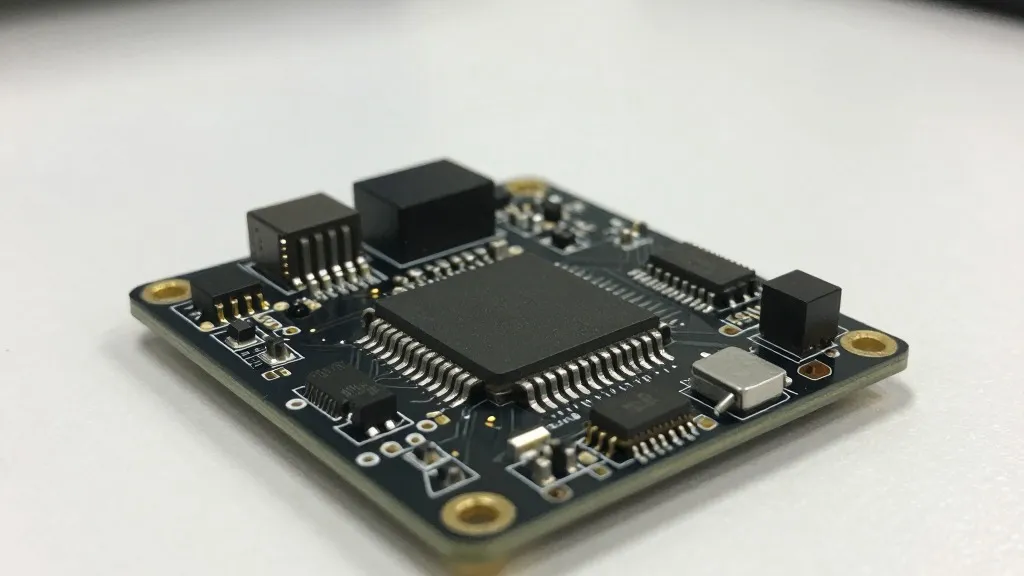
The Federal Communications Commission has taken a significant step by prohibiting the sale of two specific consumer electronics in the United States. This action marks the first instance where the agency has utilized its newly adopted chip-level authority to remove products from the market. The targeted items are a dashboard camera and a wireless video transmitter. Both devices were grounded because they incorporate a specific system on a chip manufactured by HiSilicon, a subsidiary of Huawei.
Huawei and its affiliated entities are currently listed on the FCC's Covered List, which identifies organizations perceived as posing risks to American national security. The new regulatory framework is designed to eliminate a previous gap in enforcement. Under older rules, rebranded products containing components from restricted Chinese manufacturers could often enter the market. By focusing on the internal silicon rather than the external branding, the commission can now enforce bans more broadly without tracking every individual product label.
The specific component at the center of this dispute is the Hi3516CV610 UHD Smart Vision processor. This system on a chip is engineered for surveillance applications, including vehicle cameras and wireless CCTV systems. It features a combination of WiFi, Ethernet, and video encoding hardware. It also includes an Arm Cortex-A7 processor and a dedicated neural processing unit. The neural processing unit is the primary source of concern for the regulators.
The commission views the neural processing unit as a logic-bearing smart component made by a covered entity. According to the technical specifications provided by the manufacturer, the Intelligent Video Engine operates on this unit. It utilizes a built-in multimodal large model and transformer feature acceleration. This setup enables the artificial intelligence to track relationships between objects across video frames. The system maintains focus on specific subjects such as pets, human faces, and parcels. For average users, this feature could help distinguish between a pet moving unexpectedly and a stranger taking a delivered package.
Despite these consumer benefits, the FCC argues that the same logic-bearing artificial intelligence could serve less benign purposes. The agency suggests that the technology might be used to survey US citizens and record facial data for foreign surveillance operations. This concern adds to a growing history of controversies involving Huawei. The company previously used shell companies to deceive TSMC into manufacturing artificial intelligence chips. This occurred despite US requests for TSMC to halt supply to certain Chinese customers. That incident was one of several events that contributed to recent product restrictions in the US.
Public reaction to the decision has been varied. Some observers have criticized the move as an act of protectionism. Others have questioned whether domestic surveillance practices differ significantly from those conducted by foreign entities. There was also debate regarding the scope of the FCC's authority. One commenter noted that the Communications Act of 1934 mandates the protection of both wired and wireless communications. Another argued that regulating silicon directly was necessary from the start, given the numerous regional variants and revisions that a single product model can undergo.
Source: Tom's Hardware