California Voters Reject Billionaire Tax in Sweeping Defeat
Proposition 40, which would have levied a 5% levy on the assets of the state’s wealthiest residents, lost by roughly five points.
By Lorenzo Marshall ·
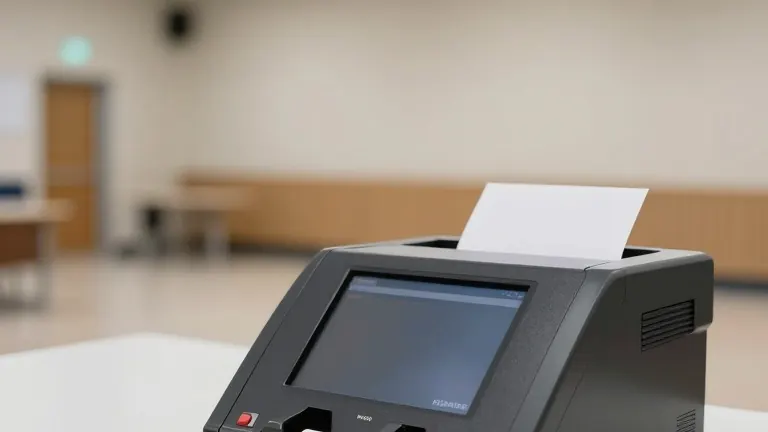
California voters rejected a proposal to tax the wealth of billionaires.
The measure, known as Proposition 40, was running behind by approximately five percentage points as ballots were counted on Wednesday. It sought to impose a one-time 5% tax on the assets of the state’s wealthiest individuals. The Service Employees International Union-United Healthcare Workers West placed the initiative on the ballot. The union aimed to generate funds for medical services that faced cuts in federal and state budgets. The group estimated the tax could raise up to $100 billion.
The campaign for the measure was described as relatively weak by observers. In contrast, the billionaires targeted by the proposal spent several hundred million dollars on a media campaign against it. The initiative also faced internal resistance. Splits within the Democratic Party weakened support. The labor union community also divided because the revenue would have gone primarily to healthcare rather than education.
Dave Regan, the leader of SEIU-UHW, stated that the union would attempt to pass similar legislation again. He said the group would act if the Legislature fails to deliver a real solution to healthcare funding. Regan called the plan a concrete next step rather than a hypothetical possibility. His campaign suffered a double loss on Tuesday. Voters also rejected his Proposition 44. That measure would have required clinics serving low-income patients to spend 90% of their annual revenue on patient care.
Voters approved Proposition 42, a countermeasure placed on the ballot by opponents of the wealth tax. This proposal places a prohibition on taxing personal wealth into the state constitution. This result aligns with the interests of tax limitation advocates. These groups have opposed pro-tax forces for decades, including during the passage of Proposition 13 in 1978. Proposition 13 limited property taxes and made it harder to enact other taxes.
The election results show a complex shift in tax policy. Voters approved Proposition 3, which makes a temporary hike in income taxes on high-earning Californians permanent. That tax was first approved in 2012. Voters rejected Proposition 43, which would have made it harder for local governments to pass taxes. Proposition 42 partially offsets the rejection of Proposition 43. The combination of results gives the anti-tax faction a net victory in this cycle.
California has used the initiative system since 1911 to bypass the Legislature. Since 1971, no year has passed without at least a few measures being filed. In 2005, 109 ballot proposals cleared for signature gathering. Of the 2,194 measures that gained permission to circulate petitions since 1911, only 410 qualified for the ballot. Just 141 of those measures survived to become law before this year. The low success rate did not stop the process from becoming a powerful tool for policy change. The rejection of Proposition 40 marks the largest defeat for the pro-tax side in this series of confrontations.